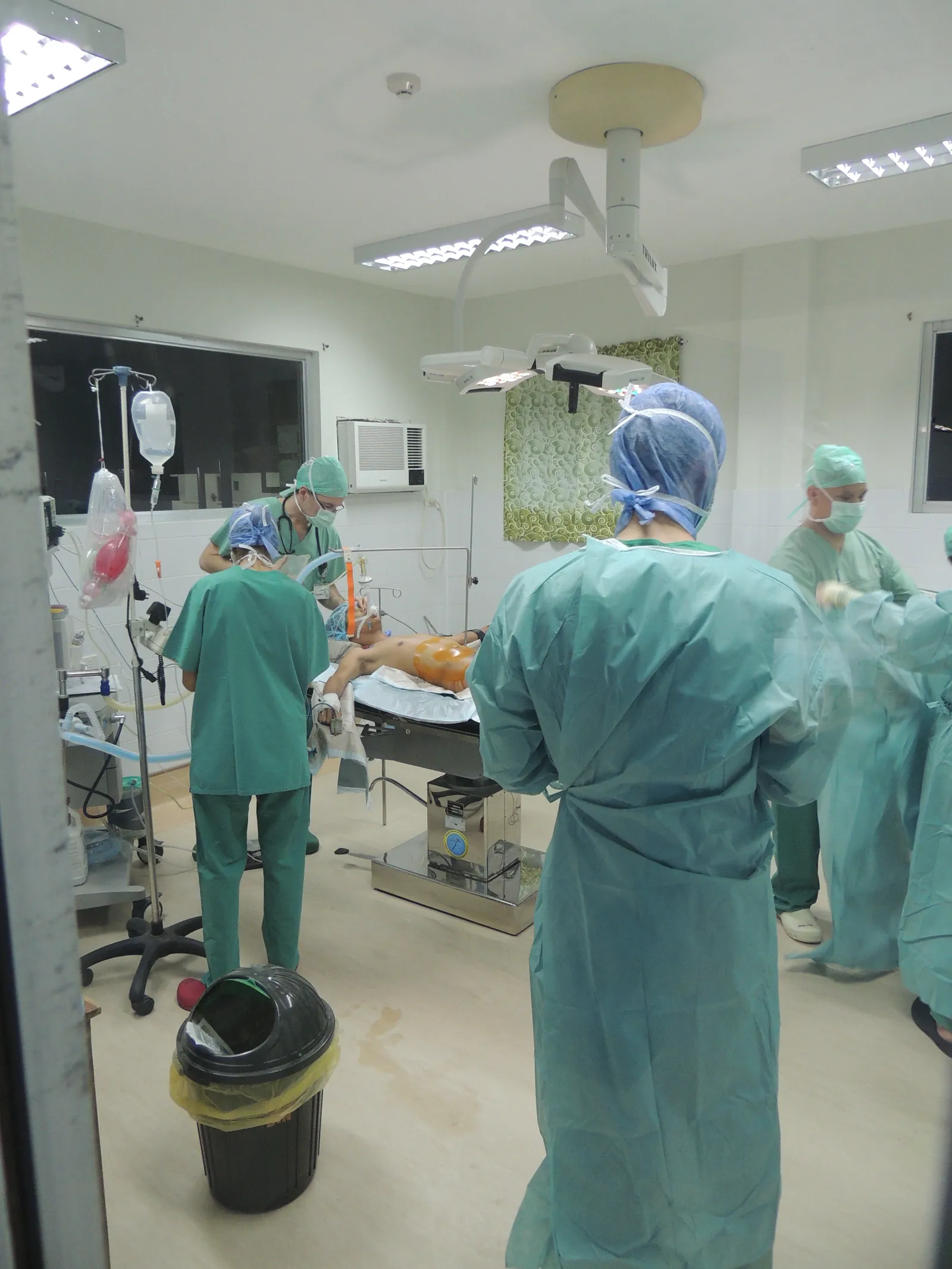
What we do and how
Three tasks, one principle: help that stays after we leave.
5 bn
people, around two thirds of the world's population, have no access to safe, affordable surgery and anaesthesia when they need it. Even conditions that start out harmless can become life-threatening.
Source: Lancet Commission on Global Surgery, “Global Surgery 2030”, 2015
Three pillars
Surgery
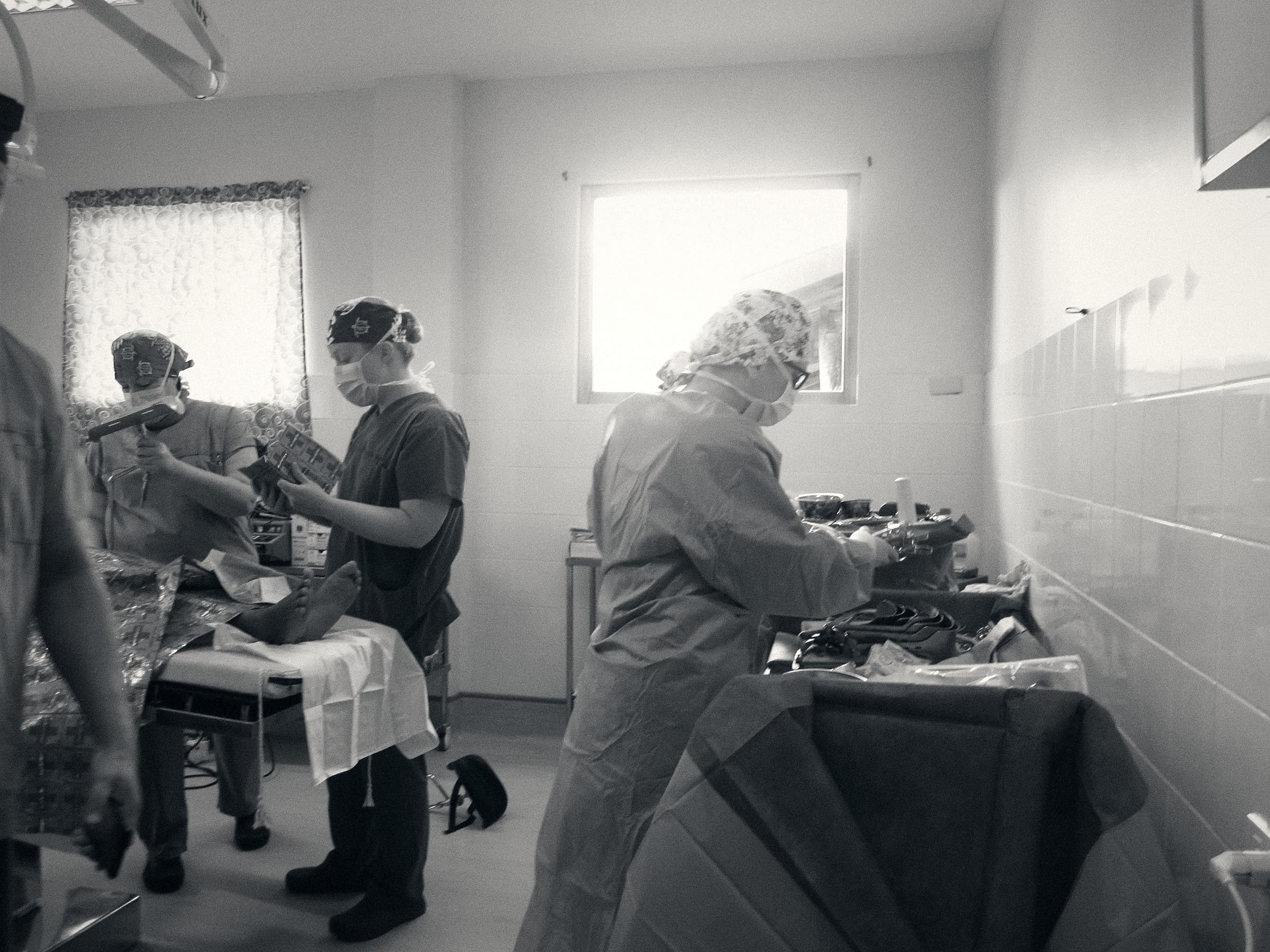
Planned operations, often on the thyroid, smaller procedures, and readiness for acute emergencies, five days a week. Supplies and instruments are funded by donations and travel ahead by container.
Anesthesia
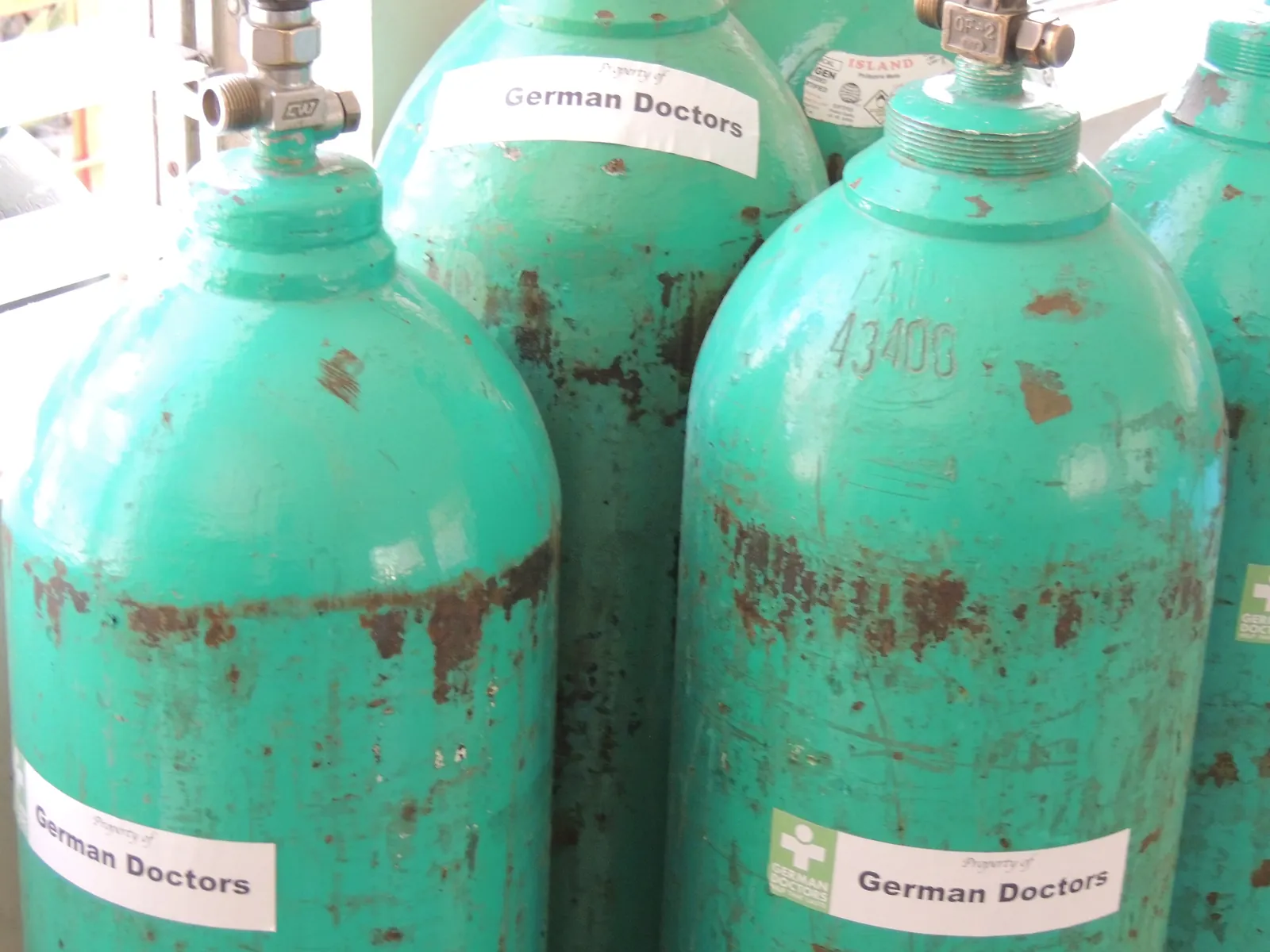
No surgery without safe anesthesia. Our anesthetists and specialist nurses provide anesthesia and monitoring for every procedure and train their local colleagues.
Training
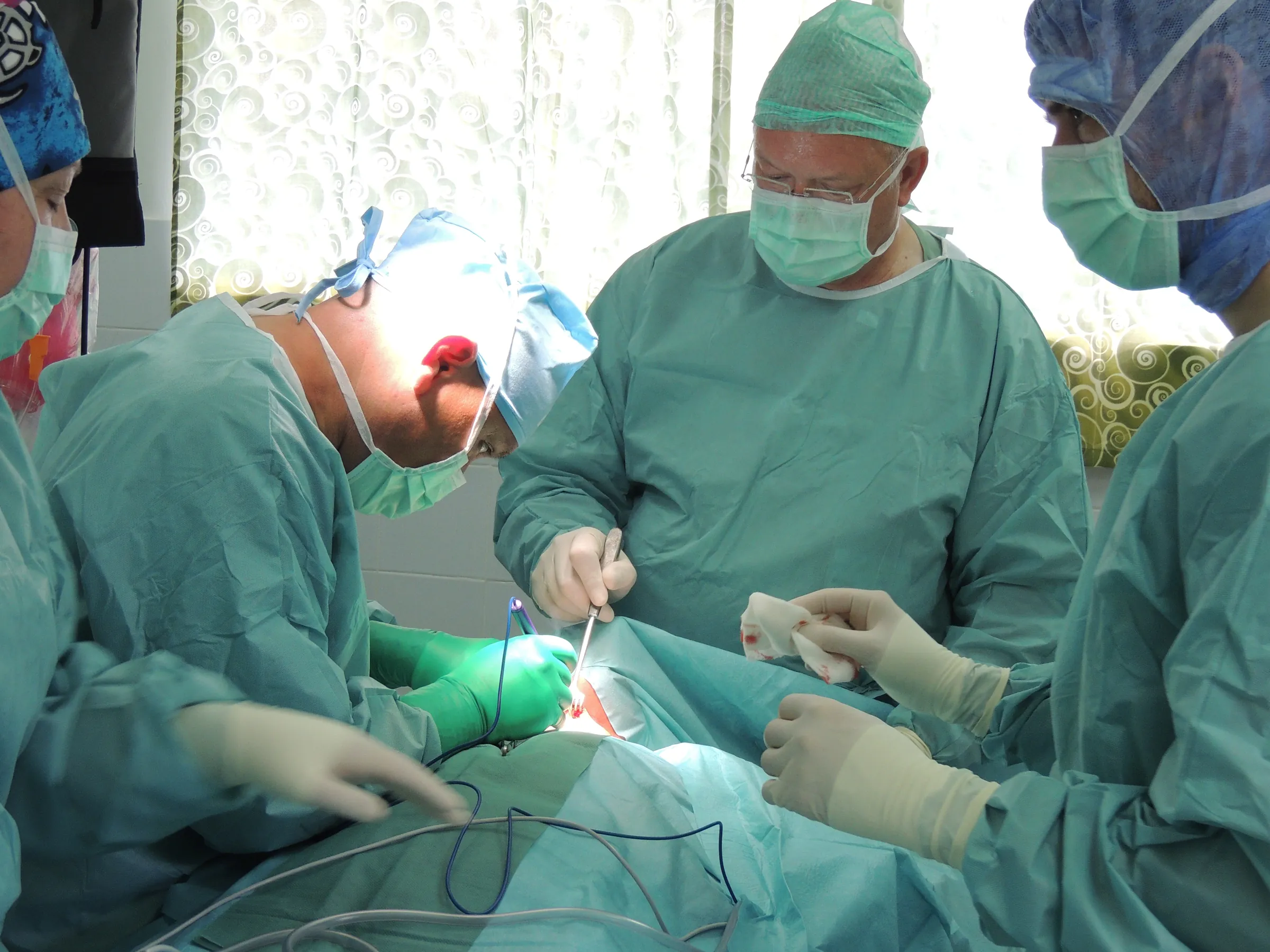
We do not operate past the local teams, we operate with them. Nurses, anesthesia staff, and theatre staff work alongside us in every mission and take over afterwards.
Immediate help. Lasting impact.
A mission lasts four weeks. Its impact is meant to stay.
Before the team lands, the supplies are already on their way: instruments, medication, and consumables travel ahead by container. For Cagayan de Oro 2027 that means around 50 boxes, packed in a single Saturday in October 2026. Within days, an often unused operating room becomes a working place of care.
The final week belongs to aftercare and the handover to the local teams. Processes, knowledge, and supplies stay where they are needed.
What an operating room needs on site
For surgery and anaesthesia to be safe, the following has to be available locally or brought along:
Power and water
Reliable electricity and running water. Without both, no surgery.
Instruments and equipment
For surgery, general and local anaesthesia, plus sterile consumables.
Sterilisation
Cleaning and sterilising the instruments between procedures.
Lab and diagnostics
Basic lab values, X-ray and ultrasound, and people who can read them.
Medication
Painkillers, anaesthetics and antibiotics, based on the WHO list of essential medicines.
Round-the-clock care
Care before and after surgery, day and night, and proper documentation.
Help keeps working when knowledge and routines remain.
How a mission works →What one operation sets in motion
An untreated hernia can mean no longer being able to do physical work. An operation can mean providing for your family again.
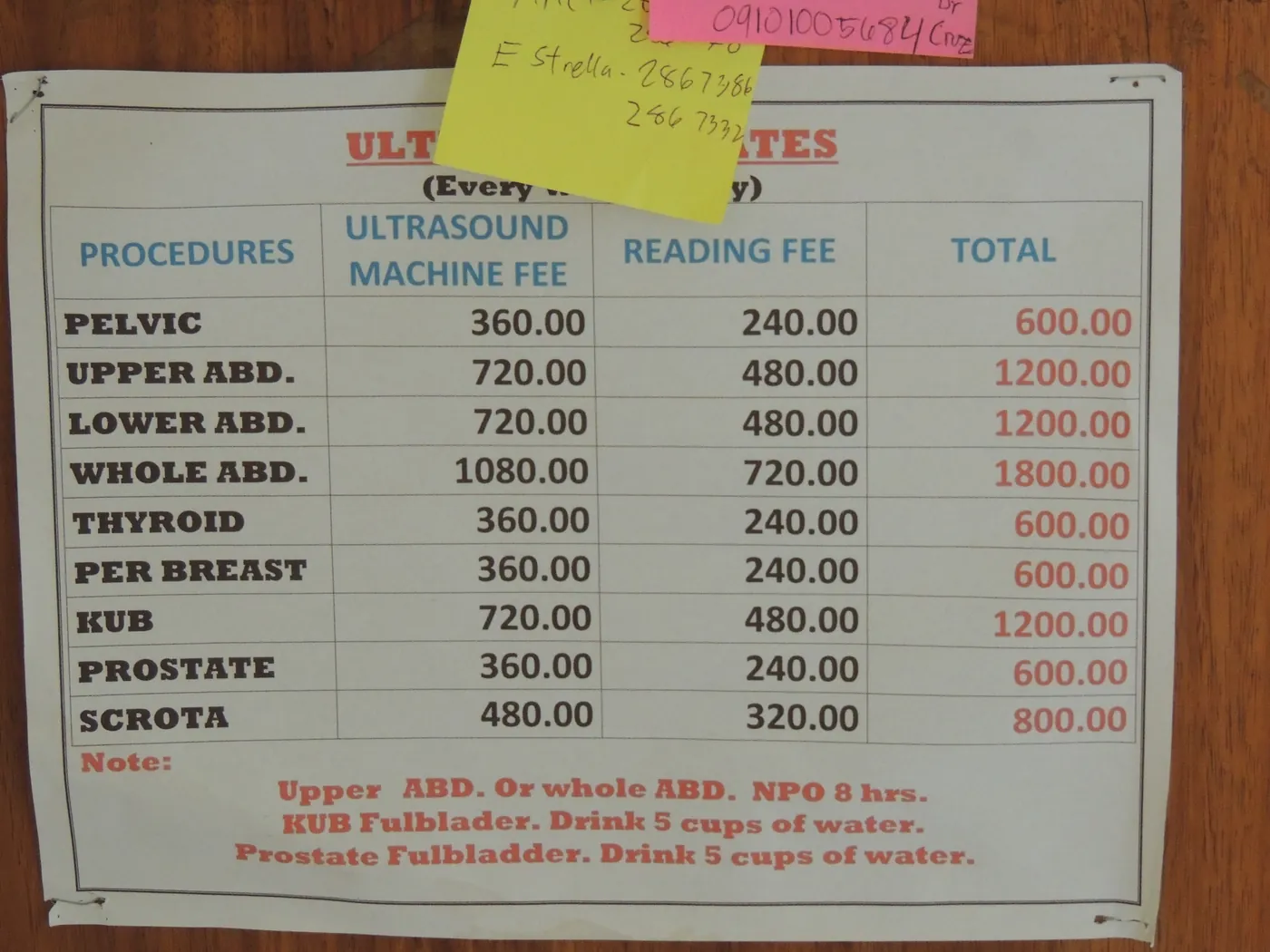
Many of our patients could never afford examination and surgery. A clinic price board in the Philippines shows why: even an ultrasound costs a substantial share of a monthly wage.
When there is no time to plan
Alongside planned missions, we help when disasters strike.
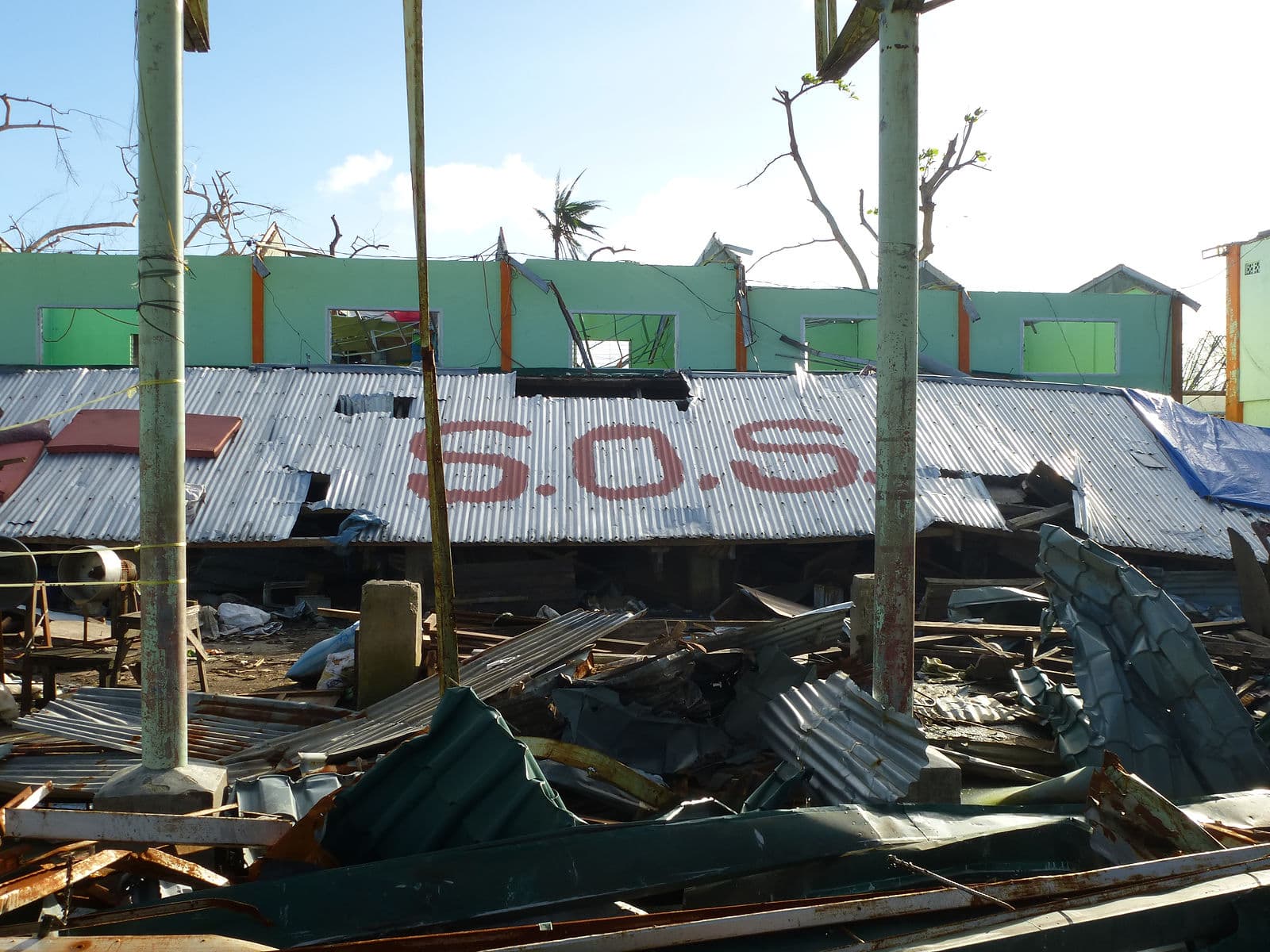
Typhoon Haiyan, Tanauan
Emergency relief for the victims of one of the strongest typhoons ever to make landfall.
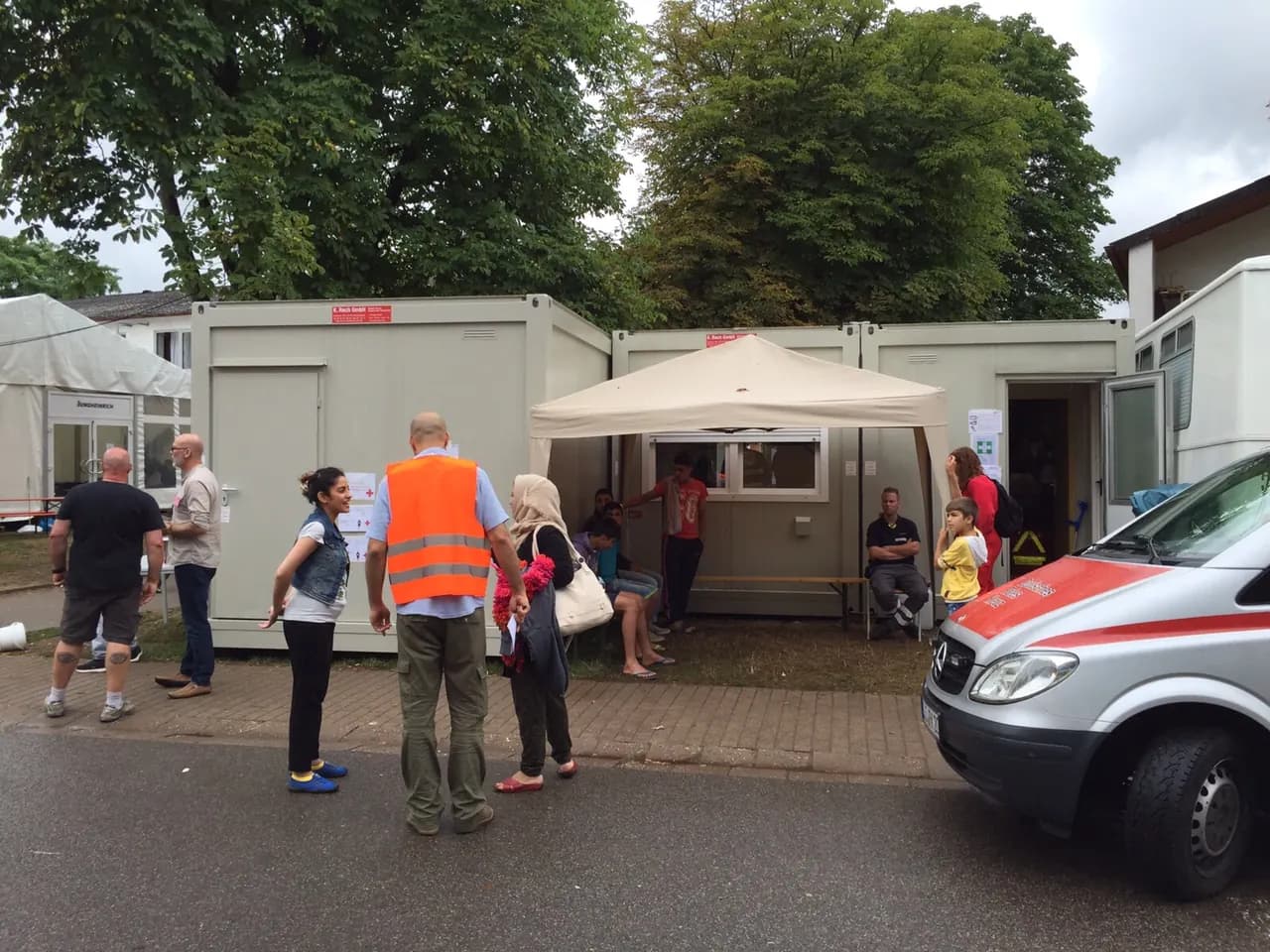
Refugees in Lebach
Medical care at Saarland's state reception centre.
Ukraine
Medical relief in Saarland, at the border, and on the ground.
Earthquake on Mindanao
€2,500 in emergency aid for medical supplies and food, transferred quickly to contacts we have worked with for years.
What remains
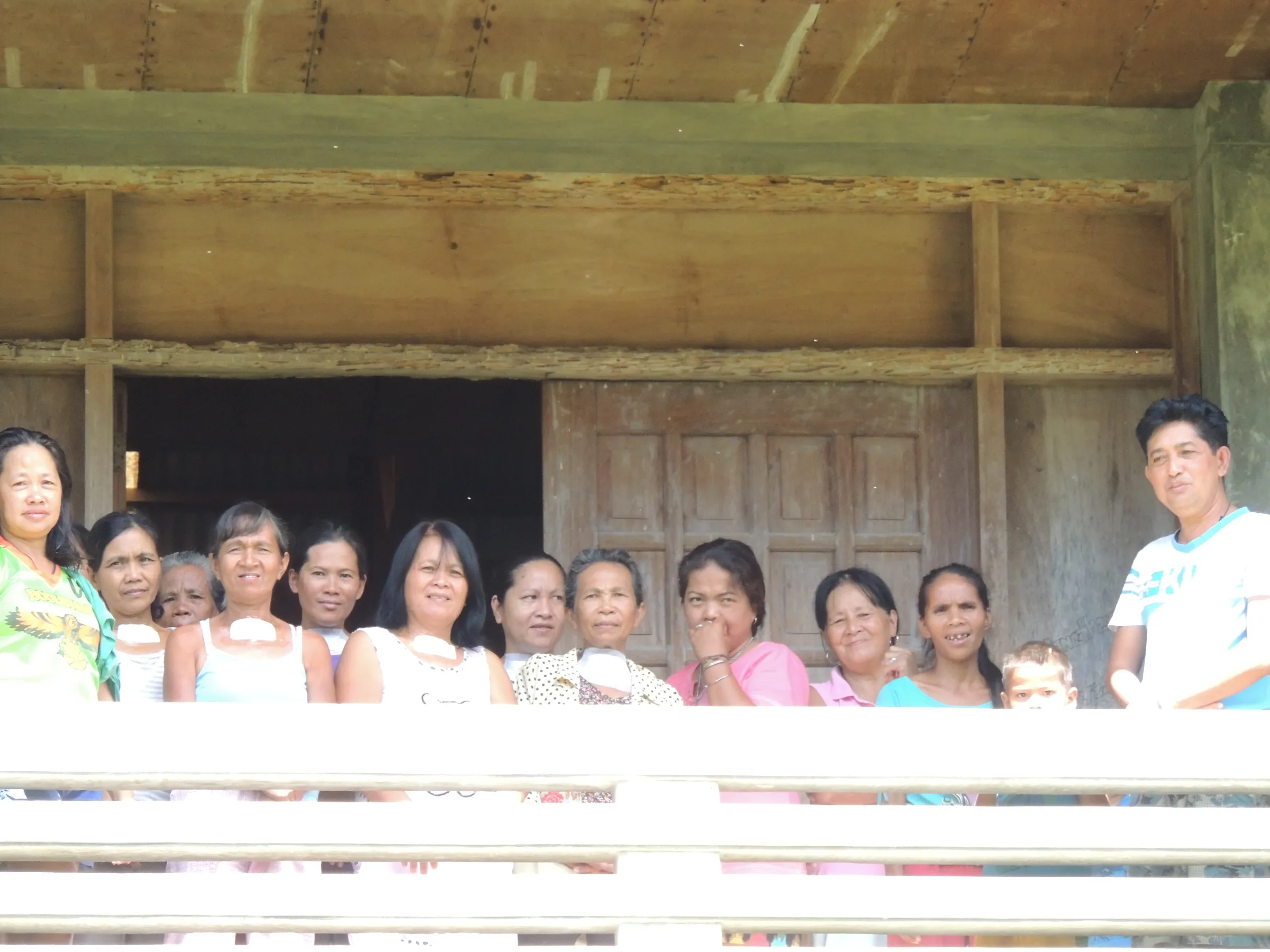
We return to the same places: Siquijor twice, Mindoro several times. At the district hospital in Roxas on Mindoro we set up surgical operations that served several missions. 155 patients in 12 days of surgery is a number. Local teams carrying on is the goal.